The Importance of Dust Control in Gearbox Maintenance
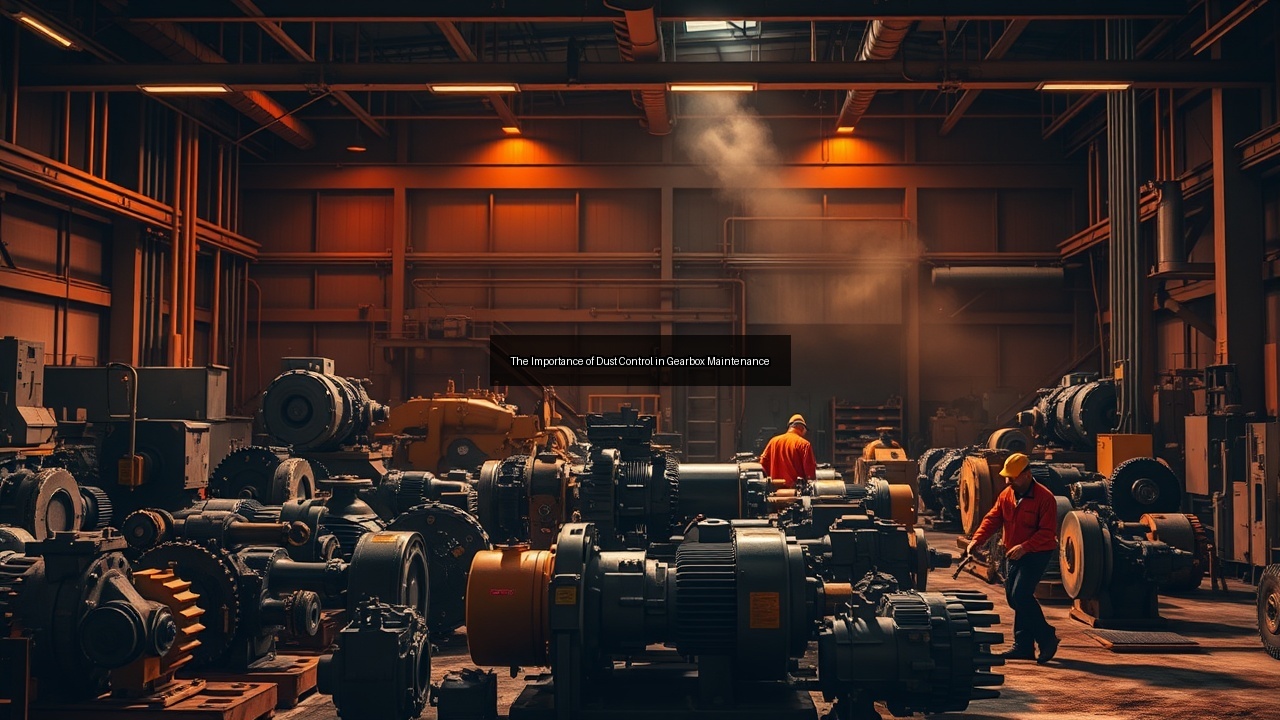
Understanding the Role of Dust Control in Gearbox Performance
Impact of Dust on Gearbox Efficiency
Dust poses a significant threat to the efficiency of industrial gearboxes, which are crucial components in power transmission systems. When dust infiltrates these systems, it disrupts the delicate balance required for industrial gearbox maintenance optimal performance. Dust particles can create friction between gears, increasing wear and tear and leading to a decline in torque efficiency. This inefficiency often manifests in reduced operational speed and can lead to overheating, further compromising the gearbox's performance. In industries reliant on high-speed operations, like manufacturing and transportation, maintaining dust control becomes essential to prevent costly downtimes and ensure that gearboxes function at peak efficiency.
Common Types of Dust in Industrial Environments
Industrial environments are rife with various types of dust, each posing unique challenges to gearbox maintenance. Common dust contributors include fine particles from metal shavings, wood dust in woodworking industries, and even environmental dust from nearby construction sites. Each of these dust types can infiltrate gearboxes, compromising lubrication and leading to premature failures. For instance, metal shavings can act like abrasives, wearing down the gears and leading to structural damage. Understanding the specific types of dust present in a facility allows engineers and maintenance teams to implement targeted strategies for dust control, ultimately enhancing gearbox longevity and performance.
How Dust Affects Power Transmission in Gearboxes
Dust can severely disrupt power transmission in gearboxes, which rely on clean and efficient gearing for optimal operation. When dust accumulates, it can form a barrier that impedes the smooth interaction between gears. This interference not only alters the intended speed and torque outputs but can cause vibrations that further exacerbate wear. In severe cases, dust contamination can lead to catastrophic failures, necessitating extensive repairs or even complete replacement of the gearbox. Engineers must recognize the critical link between dust management and effective power transmission to ensure that industrial gearboxes operate reliably and efficiently.
Best Practices for Dust Control in Gearbox Maintenance
Design Considerations for Dust-Resistant Gearboxes
Designing dust-resistant gearboxes requires a proactive approach to engineering. Manufacturers should focus on creating enclosures that minimize dust ingress. For example, industrial gearbox service utilizing seals and gaskets designed to withstand high levels of dust can significantly improve a gearbox's resistance to contamination. Additionally, incorporating ventilation systems that filter out dust particles can enhance airflow while protecting the internal components. Engineers must also consider the materials used in the gearbox construction; selecting non-corrosive, durable materials can mitigate the effects of dust exposure. By prioritizing robust design elements, manufacturers can produce gearboxes that not only resist dust but also maintain high performance in harsh industrial environments.
Routine Maintenance Procedures to Minimize Dust Accumulation
Routine maintenance plays a vital role in minimizing dust accumulation within gearboxes. Maintenance teams should establish a comprehensive schedule that includes regular inspections and cleanings. During these inspections, technicians should pay close attention to seals and gaskets, ensuring they remain intact and effective. Cleaning procedures can involve using compressed air or vacuum systems to remove dust from the exterior and accessible interior parts of the gearbox. Additionally, implementing a system for tracking dust levels in the environment can help maintenance teams anticipate potential issues before they escalate. These proactive measures not only enhance gearbox performance but also extend the overall lifespan of industrial equipment.
Lubrication Techniques to Combat Dust Ingress
Effective lubrication is essential in combating dust ingress in gearboxes. Using high-quality lubricants that possess dust-repellent properties can create a protective barrier against contaminants. Regularly scheduled lubrication intervals should coincide with maintenance routines to ensure that gears remain well-lubricated and free from dust-related wear. Engineers recommend utilizing lubricants specifically formulated for high-speed applications, as they can withstand extreme conditions often found in industrial environments. Additionally, employing advanced lubrication delivery systems can help maintain optimal oil levels while minimizing the risk of dust contamination. Proper lubrication techniques not only enhance gearbox efficiency but also significantly reduce the likelihood of mechanical failures.
The Consequences of Poor Dust Management
Increased Downtime and Maintenance Costs
Poor dust management in gearbox maintenance leads to increased downtime and inflated maintenance costs. When dust infiltrates the gearbox and causes failures, it necessitates immediate repairs or replacements, which can halt production and result in lost revenue. Extended periods of inactivity while waiting for parts or service can stress supply chains and disrupt workflows. Furthermore, frequent repairs accumulate costs, draining resources that could be allocated elsewhere. Industries that overlook dust control may ultimately find themselves facing not only financial strain but also diminished operational efficiency, making it crucial to prioritize effective dust management strategies.
Potential Gearbox Failures Due to Dust Contamination
Dust contamination stands as a leading cause of gearbox failures. When abrasive particles infiltrate the gearing system, they can cause significant damage to critical components, such as bearings and gears. Over time, this damage can lead to catastrophic failures, resulting in costly repairs and extended downtimes. The impact of dust on gearbox integrity cannot be understated; even a small amount of dust can trigger a chain reaction of mechanical issues. Preventing such failures requires a steadfast commitment to dust control and regular maintenance to identify and address potential contamination issues before they escalate.
Vibration Issues Linked to Dust Accumulation
Vibration issues frequently arise from dust accumulation within gearboxes. Dust can create an imbalance in the gearbox, leading to excessive vibrations that not only affect performance but can also result in further mechanical damage. Vibration can deteriorate the structural integrity of the gearbox, leading to failures in the bearings or misalignment of the gears. Engineers often utilize vibration analysis as a diagnostic tool to detect underlying issues, but if dust is the root cause, addressing the contamination becomes imperative. Regular monitoring and maintenance can mitigate vibration problems, ensuring gearboxes operate smoothly and efficiently.
Advancements in Technology for Effective Dust Control
Innovative Engineering Solutions for Dust-Proof Gearboxes
Engineers continue to develop innovative solutions to create dust-proof gearboxes that withstand harsh industrial environments. Recent advancements include the use of advanced materials that resist dust and wear, as well as the integration of smart technology that monitors dust levels in real time. These engineering solutions not only enhance the durability of gearboxes but also improve overall efficiency. Manufacturers are increasingly investing in research and development to create gearboxes with built-in filtration systems, promoting cleaner operation and reducing maintenance needs. As technology evolves, the potential for even more effective dust control solutions becomes increasingly promising.
The Role of Engineers in Enhancing Gearbox Durability
Engineers play a crucial role in enhancing gearbox durability through design innovation and ongoing research. Their expertise in materials science and mechanical engineering allows for the development of gearboxes that can endure extreme conditions while remaining resistant to dust contamination. By collaborating with industry experts and conducting rigorous testing, engineers can identify weaknesses in existing designs and implement improvements. This ongoing process of refinement ensures that gearboxes not only meet current demands but are also prepared for future challenges in industrial applications.
Future Trends in Gearbox Maintenance Technology
The future of gearbox maintenance technology promises exciting advancements aimed at improving dust control and overall efficiency. Emerging trends include the use of artificial intelligence for predictive maintenance, allowing for real-time monitoring and proactive interventions based on data analysis. Additionally, the integration of IoT (Internet of Things) technology can facilitate seamless communication between machinery, alerting maintenance teams to potential dust-related issues before they escalate. These innovations not only streamline maintenance processes but also enhance the reliability of industrial gearboxes, ensuring they operate efficiently in an ever-evolving industrial landscape.
See Also
- Creating a Comprehensive Industrial Gearbox Maintenance Schedule
- How to Prevent Industrial Gearbox Failures with Routine Maintenance
- Understanding the Role of Gear Ratio in Gearbox Maintenance
- Essential Best Practices for Long-lasting Gearbox Performance
- Why Regular Gearbox Checks are Crucial for Operational Success