Enhancing Product Durability with Expert Custom Rubber Molding Techniques
Understanding Custom Rubber Molding Techniques
Overview of Rubber Molding Processes
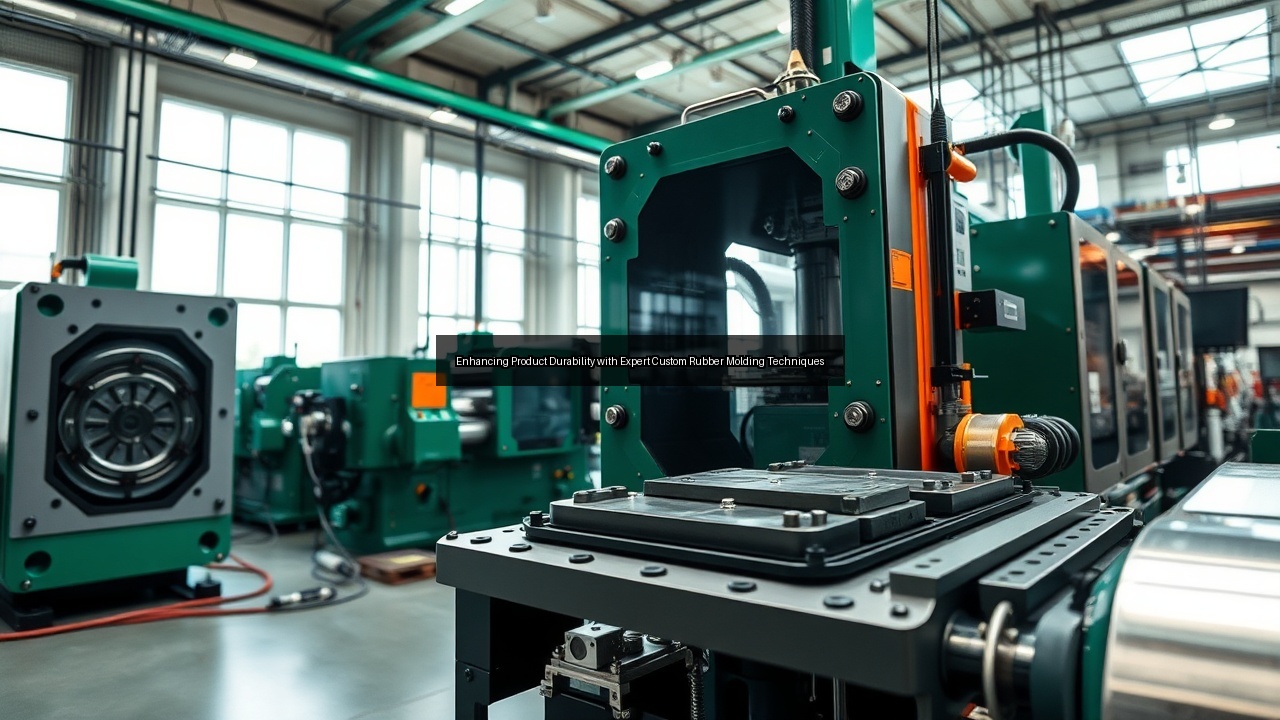
Custom rubber molding encompasses a variety of processes designed to create durable rubber components tailored to specific applications. The primary molding techniques include injection molding, compression molding, and transfer molding. Each method offers unique advantages and is suitable for different production scales and complexities. Injection molding uses a heated barrel to inject rubber into a mold, allowing for intricate designs and high precision. Compression molding involves placing a pre-measured rubber material into an open mold, where heat and pressure shape it into the desired form. Transfer molding combines elements of both techniques, using a closed mold to ensure minimal waste and consistent quality. Understanding these processes is crucial for manufacturers aiming to enhance product durability and performance.
Types of Custom Rubber Molding: Injection, Compression, and Transfer
Injection molding stands out for its efficiency in producing large quantities of complex rubber parts. This method excels in creating intricate shapes with tight tolerances, making it ideal for applications such as automotive gaskets and bushings. Compression molding, on the other hand, is often more cost-effective for smaller production runs and straightforward designs. It allows manufacturers to work with larger rubber pieces, which can be advantageous for thicker components like bumpers. Transfer molding fills a gap between the two, offering the flexibility of injection molding with the simplicity of compression molding. Each type of custom rubber molding has its own set of applications and benefits, allowing manufacturers to select the best method based on their specific needs.
Key Materials in Custom Rubber Molding: EPDM, Silicone, and Elastomers
The choice of material plays a pivotal role in the performance and durability of molded rubber products. Ethylene Propylene Diene Monomer (EPDM) rubber is popular for its weather resistance and excellent durability, making it a go-to for automotive seals and outdoor applications. Silicone rubber offers superior heat and chemical resistance, ideal for food packaging and medical applications. Various elastomers, which are rubber-like materials, provide additional options for manufacturers, each tailored to specific environmental conditions and demands. Selecting the right material involves considering factors such as temperature resistance, flexibility, and bonding characteristics. This decision directly impacts the longevity and functionality of the finished product.
Importance of Design and Engineering in Durability
Design Considerations for Enhanced Durability
Design plays an integral role in enhancing the durability of custom rubber molded products. Engineers must account for the end-use environment, which may include exposure to chemicals, temperature fluctuations, and mechanical stresses. Effective design considers these factors to optimize the shape and thickness of the rubber components. For instance, designing features like ribs or structural supports can significantly improve strength and flexibility. Additionally, incorporating drainage features can prevent water accumulation, reducing the risk of degradation over time. Collaborating closely with experienced engineers ensures that the designs not only meet aesthetic requirements but also adhere to functional specifications that enhance the product’s lifespan.
Engineering Tolerances in Rubber Molding
Establishing precise engineering tolerances is crucial in the custom rubber molding process. Tolerances dictate how much variation is acceptable in the dimensions of the molded parts. Close tolerances are essential for components that fit into assemblies, custom molding such as automotive gaskets, where even minor deviations can lead to failures or leaks. Manufacturers must implement rigorous testing and measurement techniques to ensure parts meet specified tolerances. Advanced technologies such as 3D scanning and laser measurement help achieve the required precision. Understanding and applying these engineering principles during the design phase helps prevent costly reworks and enhances overall product reliability.
Selecting the Right Mold for Your Application
The process of selecting the right mold is a critical step in custom rubber molding that directly impacts product durability. Manufacturers must consider the complexity of the part, production volume, and material properties when choosing a mold type. Options range from simple single-cavity molds for low-volume production to multi-cavity molds that enhance efficiency for large runs. Additionally, mold materials and surface finishes can influence the final product's quality and durability. High-quality steel molds offer longevity and precision, while aluminum molds may be more cost-effective for short runs. Thoroughly evaluating these factors ensures that the mold contributes positively to the durability and performance of the final rubber product.
Applications and Industries Utilizing Custom Rubber Molding
Automotive Components: Gaskets, Bushings, and Bumpers
Custom rubber molding plays a vital role in the automotive industry, providing essential components like gaskets, bushings, and bumpers. Gaskets made from high-quality rubber materials create airtight seals, preventing leaks and ensuring optimal engine performance. Bushings enhance vehicle suspension systems by reducing friction and improving handling. Bumpers, designed for impact absorption, protect vehicles and passengers during collisions. The durability of these components hinges on the quality of the rubber and the molding process used. Manufacturers must prioritize both material selection and precision engineering to produce reliable automotive parts that withstand the rigors of daily use.
Food Packaging: Ensuring Safety and Compliance
In the food packaging industry, custom rubber molding ensures safety and compliance with stringent health regulations. Rubber components such as seals and grommets must meet specific standards to avoid contamination. Silicone rubber is a preferred material due to its inert properties and resistance to temperature variations, making it suitable for food-grade applications. Manufacturers must implement rigorous quality control measures, including custom molding material testing and certification, to comply with ISO standards. The use of clean room conditions during the molding process further ensures the safety and reliability of food packaging components, safeguarding public health while enhancing product durability.
Industrial Applications: Vibration Dampening and Noise Reduction
Custom rubber molded products find extensive use in industrial applications, particularly for vibration dampening and noise reduction. Machinery often generates vibrations that can lead to wear and tear over time, affecting operational efficiency. Rubber components like mounts and isolators absorb these vibrations, extending the lifespan of equipment and improving workplace comfort. Additionally, rubber materials can effectively reduce noise levels, creating a quieter environment in factories and workshops. The choice of rubber type, along with the design and molding techniques, plays a crucial role in achieving the desired performance in these applications, showcasing the versatility and effectiveness of custom rubber molding.
Quality Control and Inspection in Rubber Molding
The Role of ISO Standards in Manufacturing
Implementing ISO standards in custom rubber molding ensures a consistent level of quality in manufacturing processes. These standards provide a framework for establishing effective quality management systems that help manufacturers deliver reliable products. Compliance with ISO standards not only enhances product quality but also fosters customer trust and satisfaction. By adhering to these guidelines, manufacturers rubber custom molds can streamline their operations, reduce waste, and improve overall efficiency. Continuous monitoring and auditing of processes ensure adherence to these standards, driving ongoing improvements in product durability and performance.
Techniques for Quality Inspection and Testing
Quality inspection and testing form the backbone of effective custom rubber molding. Various techniques, such as tensile testing, compression set testing, and dimensional inspection, help evaluate the rubber's physical properties and ensure compliance with specifications. Advanced technologies, including automated inspection systems and real-time monitoring, enhance the accuracy and efficiency of quality control processes. Ensuring that each molded part meets stringent quality criteria is essential for maintaining durability and performance in end-use applications. Manufacturers must invest in the right testing equipment and methodologies to uphold high standards throughout the production cycle.
The Importance of Clean Room Conditions in Molding Processes
Maintaining clean room conditions during the rubber molding process is critical for product quality, particularly in industries like food packaging and healthcare. Contaminants can compromise the integrity of rubber components, leading to failures and recalls. Clean rooms minimize the risk of contamination by controlling airborne particles, humidity, and temperature. Manufacturers must implement rigorous protocols for cleanliness, including regular cleaning schedules and personnel training. By prioritizing clean room conditions, manufacturers not only enhance the durability of their products but also ensure compliance with industry regulations, safeguarding public rubber custom molding health and safety.